

Wealth Management Canada

Lighthouse Private Wealth: Bringing Coordination Back to Wealth Planning
Lighthouse Private Wealth
Lighthouse Private Wealth: Bringing Coordination Back to Wealth Planning
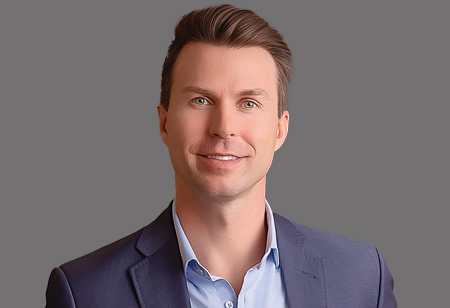
Matthew Aston, Founding Partner, James Hughes, Founding Partner
Wealth planning is often reduced to a menu of financial products: an investment portfolio, an insurance policy, a tax strategy, a trust or an estate document. Each of them matters. Yet none can do enough on its own when the client’s life, family, business and legacy are all connected.

For Matthew Aston and James Hughes, founding partners of Lighthouse Private Wealth based in Peterborough, Ontario, that disconnect is the reason wealth advice must stop treating each decision as a standalone answer and start asking how it serves the whole.

“What we see in wealth planning is that the consumer is often being sold in pieces instead of really being counseled,” he says. “We are here to change that.”

Lighthouse Private Wealth was founded by Matthew Aston and James Hughes to bring those pieces into one disciplined planning process.

For high-net-worth families, retirees, business owners, trusts, corporations and Indigenous First Nation communities, every financial decision carries a second-order effect. Retirement income reshapes tax exposure. Tax structure influences estate value. Corporate planning affects succession. Insurance protects against risks an investment portfolio cannot absorb. Family dynamics determine how wealth should move, when it should move and what protections need to follow it.

Rather than asking clients to gather advice from different corners and hold the strategy together themselves, Lighthouse Private Wealth begins at the ground level. Cash flow, income, assets, liabilities, business interests, family structure, risk exposure and long-term goals are examined before recommendations take shape. The purpose is not to move quickly toward a product, but to understand what the wealth is meant to support before deciding how to structure it.

From there, the firm coordinates the wider advisory team. Accountants are brought in for deeper tax details. Lawyers are engaged when trusts, corporations, wills or estate structures require review. Lighthouse Private Wealth remains closely involved in the conversation, testing each recommendation against the client’s broader strategy before execution.

“We want clients going into those decisions with peace of mind,” says Aston. “They know every professional involved has weighed in and confirmed that the structure aligns with the overall strategy.”

For Lighthouse Private Wealth, planning is not the act of assembling services around wealth. It is the discipline of understanding the life, family, business and community responsibilities attached to it, then ensuring every decision works in service of that larger purpose.

Planning Around People, Not Just Portfolios

Financial planning at Lighthouse Private Wealth frequently expands into conversations many clients have never previously had with advisors.

Some discussions focus on how generational wealth may eventually be passed down to children or grandchildren. Others involve long-term considerations, such as family businesses, succession planning or whether future heirs are fully prepared to manage significant wealth independently. In some situations, conversations may include developmental challenges, addiction-related concerns, marital stability or creditor exposure.

“We really dive deep to understand the personal side of it,” says Aston.

The objective is not to control how future generations live or make decisions. The focus instead centers on helping families think carefully about how wealth structures may continue supporting future generations while preserving flexibility and appropriate protections along the way.

For some families, that may involve trust structures designed to protect inheritances during a marital breakdown or from future creditor exposure. Other situations may require more advanced planning around incorporated businesses, tax-efficient wealth transfers or succession strategies involving multiple generations within the same family.

We want clients going into those decisions with peace of mind. They know every professional involved has weighed in and confirmed that the structure aligns with the overall strategy.


Aston and Hughes believe the same long-term thinking also applies beyond individual families.

Redefining Advisory Models with Wealth Management Solutions in Canada

Wealth management solutions in Canada deliver personalized advisory, integrate digital tools, and support long-term financial planning, enhancing client relationships and sustainable growth.

Wealth management solutions in Canada are undergoing a structural shift as client expectations, market complexity, and technological advancement reshape how financial advisory services are delivered. What was once centered on portfolio management and investment selection has evolved into a holistic, client-centric model that integrates financial planning, risk management, tax strategy, and intergenerational wealth transfer. For CEOs, financial institutions, and advisory firms, wealth management is becoming a strategic growth engine that blends relationship management with digital capability.

Canadian investors are increasingly sophisticated, expecting tailored advice, transparency, and seamless service across digital and human channels. Advisors are navigating a more complex environment defined by regulatory expectations, diversified asset classes, and evolving client demographics. As wealth moves across generations, clients are prioritizing long-term planning, legacy structuring, and values-driven investing. Wealth management solutions must adapt to serve both traditional high-net-worth clients and emerging investor segments with distinct expectations.

Client-Centric Growth and the Expansion of Holistic Financial Advisory

Clients are no longer delighted with generic investment advice; they expect solutions that align with their individual goals, risk tolerance, and life stages. Holistic financial planning is becoming the foundation of service delivery. Advisors are integrating investment management with retirement planning, tax optimization, estate structuring, and risk mitigation. The comprehensive approach strengthens client relationships and improves long-term outcomes.

Wealth management firms are tailoring portfolios and strategies to reflect specific client objectives, including income generation, capital preservation, and growth. The level of personalization requires deeper client engagement and more sophisticated planning tools. Intergenerational wealth transfer is gaining importance as families plan for the future. Advisors are helping clients structure assets in ways that preserve value and ensure smooth transitions across generations.

Client experience is also becoming a central focus. Investors expect clear communication, regular updates, and easy access to information. Wealth management providers are enhancing service models to deliver more responsive and transparent interactions. The expansion of advisory services reflects a broader shift toward long-term relationship management, where trust and alignment are as important as financial performance.

Technology Integration and the Rise of Digital Wealth Platforms

Technology is transforming wealth management solutions in Canada, enabling firms to deliver more efficient, scalable, and data-driven services. Digital platforms are becoming essential for both client engagement and operational efficiency. Portfolio management systems are evolving to provide real-time insights into asset performance, risk exposure, and allocation strategies.

AI is enhancing advisory capabilities by analyzing market data, identifying trends, and supporting portfolio optimization. AI-driven insights allow advisors to deliver more precise and timely recommendations. Robo-advisory platforms are expanding access to wealth management services. The automated solutions provide cost-effective investment management for a broader range of clients, complementing traditional advisory models.

Client portals and mobile applications are improving accessibility. Investors can monitor portfolios, track performance, and communicate with advisors through digital interfaces, creating a more seamless experience. Data analytics has a prominent role in client segmentation and service customization. Firms can better understand client behavior, preferences, and needs, enabling more targeted offerings.

Cybersecurity remains a critical priority as digital adoption increases. Protecting sensitive financial information for maintaining client trust and regulatory compliance. Technology is replacing human advisors and augmenting their capabilities. The combination of digital tools and personalized advice is creating a more effective and scalable service model.

Regulatory Alignment and Future Industry Evolution

Wealth management solutions in Canada are increasingly shaped by strategic positioning and the ability to adapt to a changing regulatory and competitive landscape. Firms must balance innovation with compliance while maintaining strong client relationships. Wealth management providers must adhere to evolving standards related to transparency, suitability, and fiduciary responsibility. Strong compliance frameworks are essential for maintaining credibility and avoiding risk.

Business model diversification is becoming more common. Firms are expanding their offerings to include financial planning, advisory services, and alternative investments. The diversification helps capture a broader client base and increase revenue streams. Partnerships are playing a larger role in the industry. Collaboration with technology providers, financial institutions, and specialized service firms enables wealth managers to enhance their capabilities and deliver more comprehensive solutions.

Skilled advisors who can combine financial expertise with relationship management are in high demand. Firms are investing in training and development to build strong advisory teams. Sustainability and responsible investing are influencing client preferences. Many investors are seeking strategies that align with environmental, social, and governance considerations, prompting firms to integrate these factors into their offerings.

Wealth management in Canada will continue to evolve as technology advances and client expectations grow. The integration of digital platforms, personalized advisory, and strategic planning will define the next phase of growth. For CEOs and business leaders, wealth management solutions represent a powerful opportunity to build long-term client relationships, drive revenue growth, and differentiate in a competitive financial services market.
Strategic Leadership In Operational Risk Management
RBC Wealth Management
Strategic Leadership In Operational Risk Management
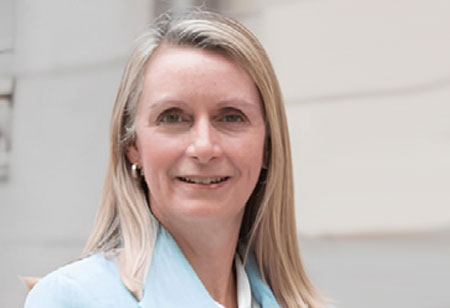
Beverley MacAdam, Vice President, Operational Risk and Shared Services, Wealth Management Global Operations

Beverley MacAdam, VP of Operational Risk and Shared Services at RBC Wealth Management Global Operations, has been instrumental in managing operational risks and ensuring regulatory compliance for nearly 30 years at RBC. With a diverse background spanning Commercial Banking, IT and Operations, she holds a Bachelor’s degree in Business from Dalhousie University and an MBA from Rotman School of Business. Beverley is actively involved with the MS Society of Canada and serves on the Board of the Toronto Cricket Club.

Through this interview, Beverley MacAdam discusses her nearly 30-year career journey with RBC, highlighting how her diverse roles within the organization, including in banking, risk management and operations, have prepared her for her current role in operational risk at RBC Wealth Management. She emphasizes the importance of understanding client needs in wealth management and the role of innovation in driving operational risk management efforts. MacAdam also shares insights on fostering a culture of continuous improvement and offers advice for senior leaders in operational risk management.

1. Could you share the key milestones in your career that have best prepared you for your current role at RBC Wealth Management? How have those experiences shaped your leadership approach?

In some ways, as I reflect on nearly 30 years with RBC, I can now see how my career path prepared me for this very role. When I joined RBC, it was purposefully to join a company with a culture that fostered and rewarded a growth mindset. I had the opportunity to hear a senior leader speak at my sister’s university graduation and he impressed me with the notion that I could join one company and have many careers, all without having to change my health care plan. And RBC has lived up to that reputation. Operational Risk looks at a very broad range of non-financial risks that impact an organization and is very closely linked to the business processes and activities that must be executed to bring a good or service to life for a client.

By learning about banking from a variety of different perspectives, from my first role as a Commercial Account Manager, I developed a strong understanding of the underlying processes and risks associated with banking. Since then, I have spent time in several areas of the bank including international  trade, IT, operations management, product management and risk management, all of which has led me to my current position of heading up the Operational Risk team for RBC’s Global Wealth Management business. There have been elements of operational risk in each role, that I lean into every day.

2. What are the primary challenges you encounter in wealth management, and how do these challenges affect the industry?

Being in Wealth Management for a little over six months, I am still learning about the challenges and opportunities in the industry. That being said, I have some initial thoughts. One, the business is really about people and deeply understanding our client’s needs and vision for their future. Each client’s story is different and how they want to grow, leverage and share their wealth. From that perspective, it is more challenging to take a ‘cookie cutter’ approach to managing each business. From an operational risk perspective, the deep relationships we have with our clients are an advantageous control against some types of risk, such as fraud. However, the reality is that we need to be alert about always monitoring our operations to protect our client’s assets.

"To create a culture that fosters and drives innovation, at the heart of it, is to be a good listener. You need to be open to new ideas, both big and small, and be willing to invest time and energy in exploring those ideas."

3. How does innovation drive your operational risk culture and risk management efforts at RBC Wealth Management? Can you provide specific examples of new technologies you have implemented and their impact on improving operational efficiency and effectiveness?

We look at innovation in our operational risk culture as both big and small opportunities. The big opportunities are often related to how we can leverage data more effectively to reduce the administrative burden of some risk management practices. For example, control testing and reporting are critical to being able to understand and communicate the underlying risks in a business. Deeply understanding the inherent risk of a process and then monitoring and testing the controls that are intended to mitigate those risks are core to operational risk management. But traditionally, this has been a highly manual process. Our strategy is to look at processes end-to-end ensuring we fully understand process and data flows, in turn allowing my team to better identify key risks, the appropriate controls and further automation and digitization opportunities. At the same time, we know that there are also small improvements we can make to our day-to-day activities. These ideas usually come from the people who do those activities. We celebrate these small changes to improve our processes and activities because a few small changes can make a big difference.

4. How do you cultivate a culture of continuous improvement and innovation within your team in the context of operational risk and shared services?

I love putting the words innovation and culture in the same thought because I think that they are both very important to drive success. To create a culture that fosters and drives innovation, at the heart of it, is to be a good listener. You need to be open to new ideas, both big and small and be willing to invest time and energy in exploring those ideas. The work environment is often moving at a break-neck pace, so to truly cultivate a culture of continuous improvement and innovation—sometimes you must slow down and listen.

5. As an ending note, what is your advice for other senior leaders and CXOs working in the operational risk management space?

My advice is two-fold. First, for those not yet in the operational risk management space, get into it if you are looking for a challenging but rewarding career, or at least make it a stop in your career. The opportunity to explore the issues related to operational risk will give you a broad perspective on your business, which will be valuable no matter what you do next. Second, for those in the space, operational risk is still a relatively new risk practice. Embrace the opportunity to not only learn the practices but also to shape them for your organization to optimize the balance between risk and reward. Operations, in my view, is the heartbeat of most organizations. Operational risk ensures that the organization is resilient in the face of challenges and is directly linked to positive client and employee satisfaction.